

Altitude Considerations
Key recommendations to help you stay safe and comfortable
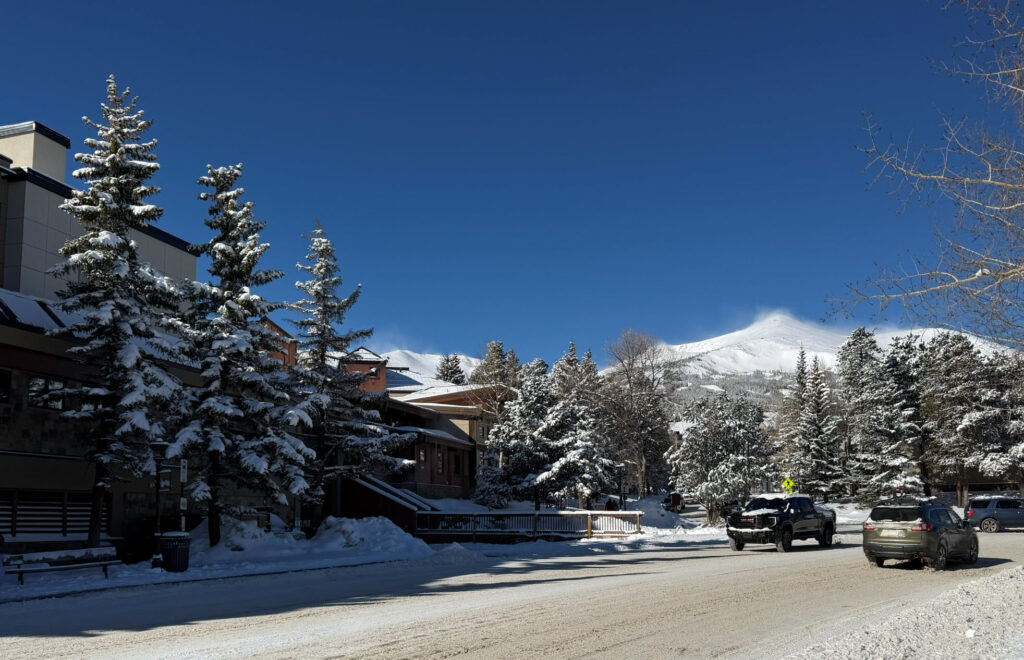
Breckenridge is at 9,600 feet (2,926 meters) above sea level. Some ski runs and surrounding hiking trails go to 13,000 feet or higher. Visiting a high-altitude location—like a mountain town or scenic overlook—can be an amazing experience, but it does come with some unique considerations.
Acclimate Gradually
.01
Ease into higher elevations to help your body adapt naturally
If possible, ascend slowly to give your body time to adjust. If coming from a sea-level town, spend a day or two at a moderate elevation before going higher.
Stay Hydrated
.02
Water is essential to staying healthy and energized at high altitude
Drink plenty of water—altitude can dehydrate you faster.
Avoid excessive alcohol and caffeine, which can worsen dehydration.
Eat Light and Often
.03
Frequent, small meals keep energy steady and aid digestion at altitude
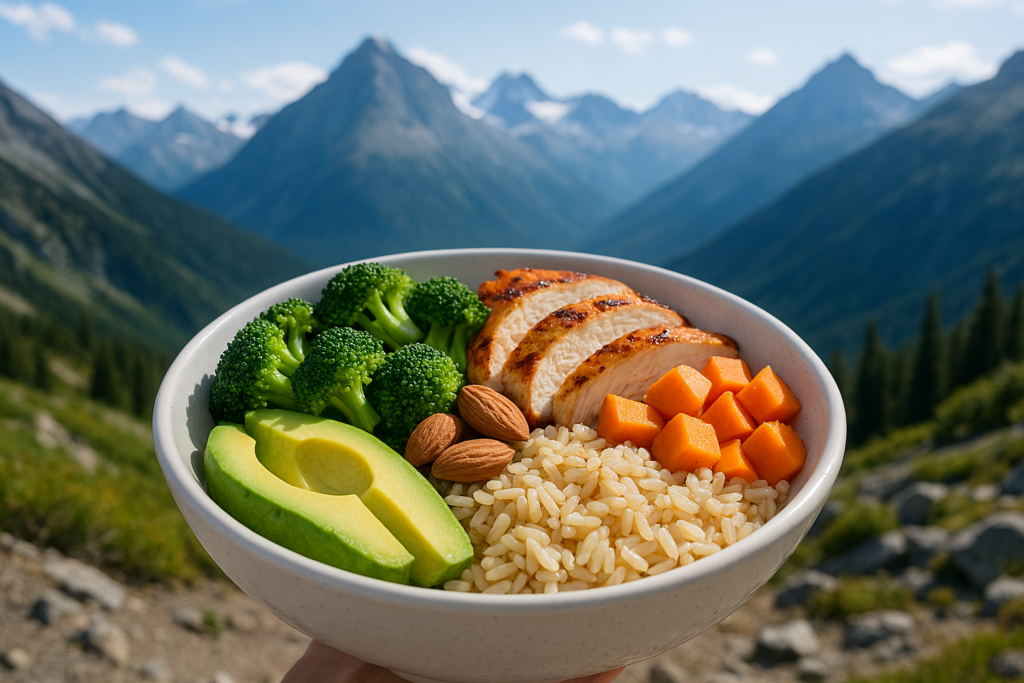
High altitude can affect digestion. Stick to smaller, frequent meals.
Carbohydrates are easier to digest and can help maintain energy; aren’t we all looking for a reason to eat more carbs anyway? Don’t forget proteins but don’t over do it. Hydration friendly foods such as soups, yogurt, and fruit is also helpful.
While at Breckenridge altitude, there are a couple of other ways to help your body adjust.
In many of the stores around town, you can purchase oxygen in a can. The Village at Breckenridge has as Oxygen lounge in the Lobby of Peak 9 for guests of Breckenridge Hospitality. The front desk can assist guests in the set up. The town also has an O2 Lounge and an IV lounge. Oxygen machine rentals are also available for rent.
Watch for Altitude Sickness
.04
Recognize symptoms early to stay safe and avoid serious complications
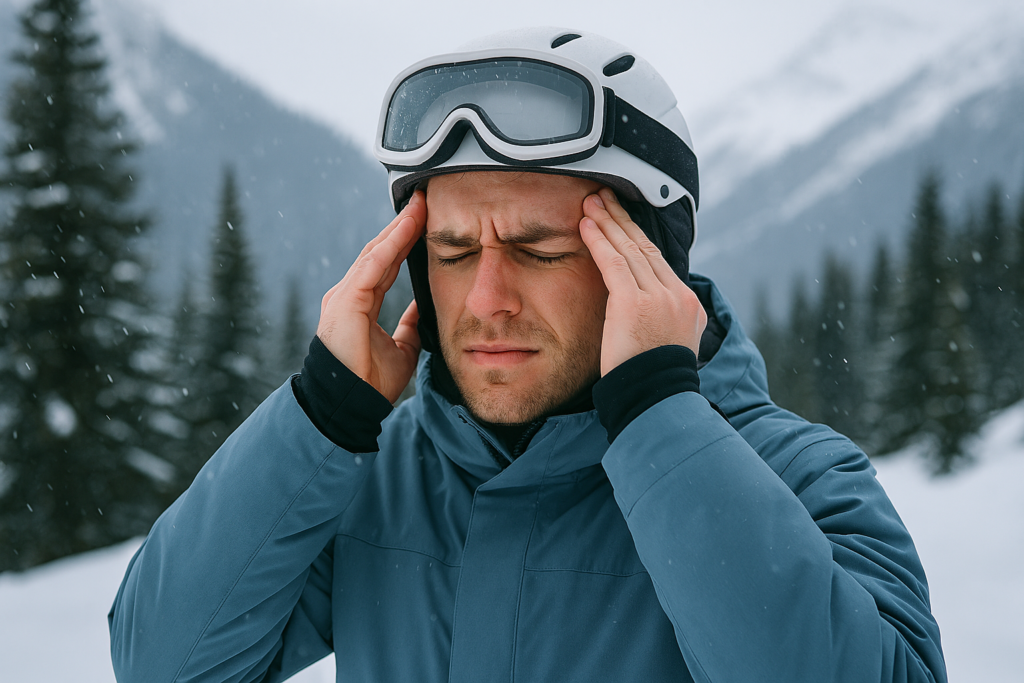
Symptoms include headache, nausea, dizziness, fatigue, and shortness of breath. If symptoms worsen, descend to a lower elevation and seek medical help. The Common Spirit Urgent Care Center is located on the plaza level in the Shavano Building.
Dress in Layers
.05
Be ready for rapid weather changes and stronger sun at higher elevations
Weather can change quickly at altitude. Wear layers to adjust easily.
Bring sun protection—UV exposure is stronger at higher elevations.
Take It Easy
.06
Slow down and rest often while your body adjusts to thinner air
Physical exertion feels harder at altitude. Pace yourself and rest often.
Don’t push too hard, especially in the first 24–48 hours.
Consider Medication
.07
Talk to your doctor about preventive options before your high-altitude trip
Some travelers take acetazolamide (Diamox) to prevent altitude sickness.
Consult your doctor before your trip if you’re concerned.
