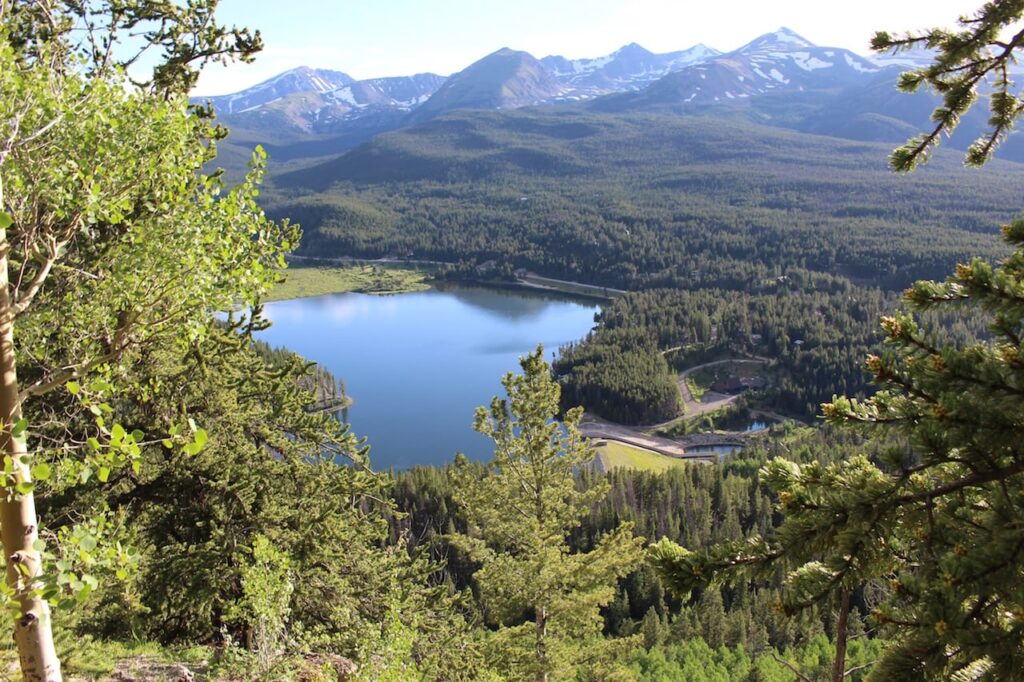

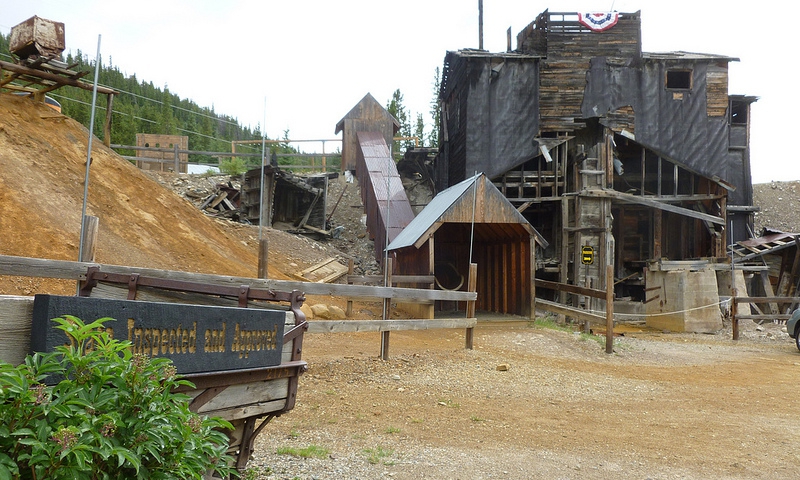
Just up Wellington Drive in Breckenridge, Colorado, you will find the Country Boy Mine; it stands as one of the town’s most visible reminders of the boom-and-bust era that helped shape Summit County. With its weathered buildings and sweeping views of the Tenmile Range, the site offers more than scenery—it tells the story of ambition, perseverance, and the rugged reality of life in a historic mining town.
Gold was discovered in the Breckenridge area in 1859, triggering a rush of prospectors into the Blue River Valley. Over the following decades, hundreds of small claims and large-scale operations dotted the hillsides. Among them, the Country Boy Mine emerged as one of the most productive and enduring mines in the region. Located at nearly 10,000 feet above sea level, it capitalized on rich gold-bearing veins that ran through the Rocky Mountains.
The mine officially began operations in the late 19th century, evolving as mining technology improved. Early efforts relied primarily on hand tools and limited tunneling, but by the early 1900s, the Country Boy Mine had expanded significantly. Modern equipment for the time—hoists, stamps, and mills—allowed miners to extract and process ore more efficiently despite the harsh alpine environment. Supplying the mine alone was a monumental task; heavy snowfall, thin air, and brutal winters challenged miners year-round.
Life at the Country Boy Mine was demanding and often dangerous. Miners worked long shifts underground, drilling, blasting, and hauling ore by hand. Accidents were an ever-present risk, and the isolation of the high country added to the hardship. Yet the promise of gold drew workers season after season, and for a time, the mine helped fuel Breckenridge’s economy with jobs, infrastructure, and steady production.
Like many mountain mining operations, the Country Boy Mine faced an uncertain future as gold prices fluctuated and ore quality declined. By the mid-20th century, large-scale operations were no longer economically viable, and mining activity gradually ceased. The mine, once buzzing with labor and machinery, fell silent—another chapter in Colorado’s mining story closed.
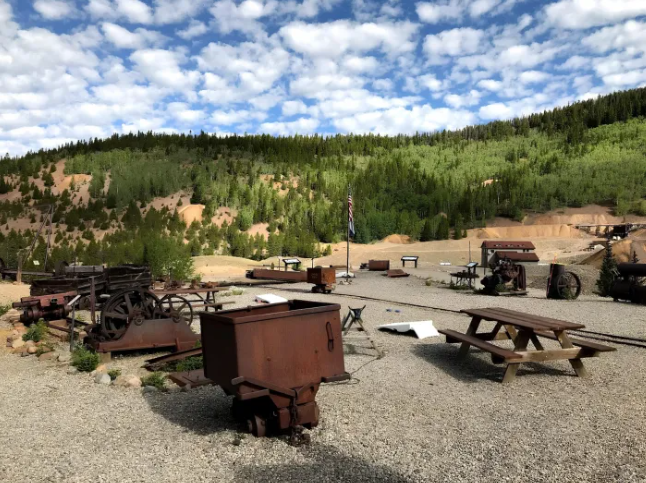
Today, the Country Boy Mine has found a new purpose as a preserved historic site and educational attraction. Visitors can tour the remaining structures, explore a reconstructed hoist house, and walk through underground tunnels that once echoed with the sounds of industry. Interpretive displays and guided tours help bring the past to life, offering insight into mining techniques, daily routines, and the broader impact mining had on Breckenridge’s development. Tours are available in the summer and fall (check their site for hours.)
More than just a relic, the Country Boy Mine connects modern visitors to the determination and resilience that defined Colorado’s high-country miners. Standing above Breckenridge with panoramic mountain views, it serves as a powerful reminder of how history, landscape, and human ambition are deeply intertwined in the Rockies.