
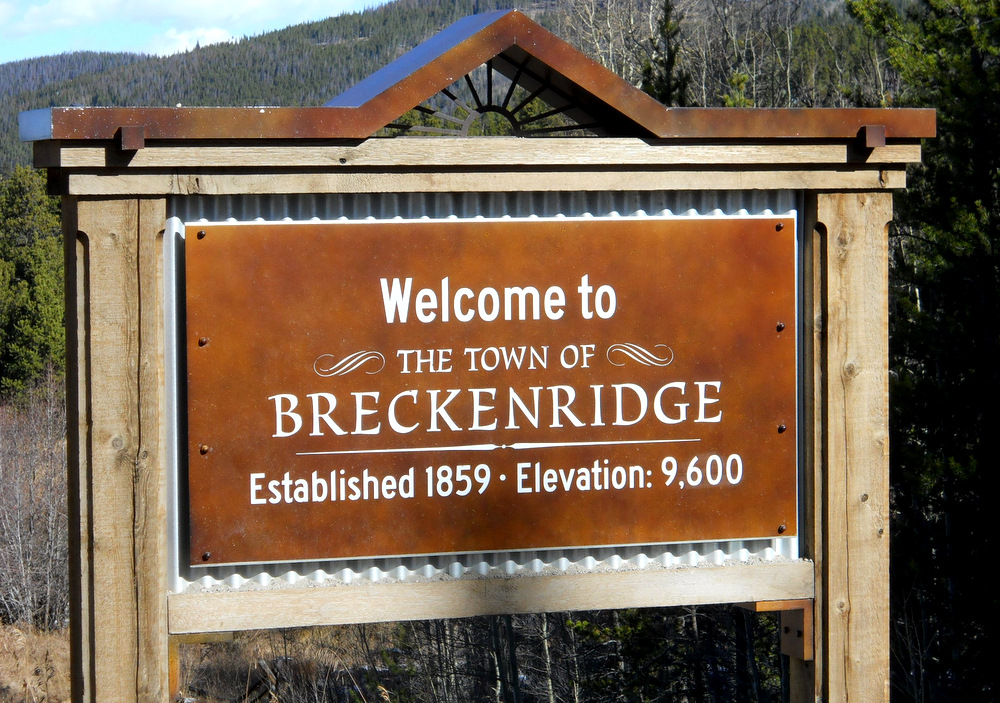
The naming of Breckenridge, Colorado is a story woven from gold‑rush ambition, political maneuvering, and a bit of frontier mythmaking. Historians agree that the name has two intertwined origins, both tied to early prospectors in 1859 and the political climate of the time.
Early Settlement and the First “Breckenridge”
The town was founded in November 1859 during Colorado’s booming gold rush, when prospectors moved into the Blue River Valley in search of fortune. Among the early arrivals was a prospector named Thomas Breckenridge, a member of explorer John C. Frémont’s 1840s expeditions. A nearby mountain pass had already been named after him, and when George E. Spencer and his party laid out a new town in 1859, they adopted the name Breckenridge in his honor.
This version of the story is supported by multiple historical accounts, including documentation from local historians and Breckenridge History researchers.
The Political Twist: John Cabell Breckinridge
But the town’s name soon shifted due to political strategy. As the settlement grew, residents wanted something essential for any frontier town’s success: a post office. General George E. Spencer, a land speculator, believed the town could secure one faster by flattering a national political figure. He proposed renaming the settlement after U.S. Vice President John Cabell Breckinridge, altering the spelling to Breckinridge to match the Vice President’s own.
The strategy worked—the town received its post office in January 1860, becoming one of the few Colorado mining settlements with official federal recognition so early.
The Civil War Forces a Name Change
The harmony didn’t last long. When the Civil War broke out, Vice President Breckinridge sided with the Confederacy, later becoming a Confederate general. Outraged that their town honored someone considered a traitor by the Union, the residents took swift action: they changed the spelling back to Breckenridge, replacing the i with an e.
This minor adjustment symbolically distanced the town from the disgraced politician while preserving the frontier-era name that had long been used by local miners and explorers.
Both Legends, One Conclusion
Modern historical research shows that both stories are true—the town’s original name likely came from prospector Thomas Breckenridge, and later, political motivations altered its spelling to honor (and then disown) Vice President John C. Breckinridge. The dual origins reflect the practical and often opportunistic spirit of Colorado’s early mining settlements.
The name Breckenridge is more than a label—it’s a snapshot of the American West during a turbulent era. It tells a story of gold‑rush exploration, shrewd political calculation, and the community’s desire to define itself amid shifting national loyalties. Today, Breckenridge embraces this colorful history as part of its identity, honoring both the legends and the realities that shaped its name.