
Few ski run names at Breckenridge capture the optimism—and illusion—of the American West quite like Eldorado. The name evokes visions of limitless riches, easy fortune, and dreams fulfilled with minimal effort. As a ski trail, Eldorado offers a smooth, enjoyable descent. As a name, it reaches much deeper, pulling directly from the myths that lured thousands into Colorado’s high country long before skis ever touched these slopes.
The legend of El Dorado originated in South America, describing a mythical city of gold so rich that its ruler was said to cover himself in gold dust. By the time westward expansion reached the Rocky Mountains in the mid‑1800s, the legend had evolved. “Eldorado” became shorthand for any place believed to offer instant wealth—no matter how speculative the evidence.
When gold was discovered near Breckenridge in 1859, the town quickly became an Eldorado in the minds of prospectors. Newspapers exaggerated findings, word-of-mouth inflated rumors, and hopeful miners arrived convinced that fortune lay just beneath the soil. For a small number, that belief paid off. For most, it didn’t. Claims were staked, abandoned, restaked, and forgotten as reality failed to match expectation.
The ski run Eldorado is named in tribute to this mindset rather than a single documented mine. Early maps of the Breckenridge area reference several short‑lived claims bearing optimistic names—Golden Reward, Morning Star, and yes, variations of Eldorado—that never produced meaningful wealth. These names weren’t ironic when chosen. They reflected genuine belief, ambition, and longing in a harsh, uncertain environment.
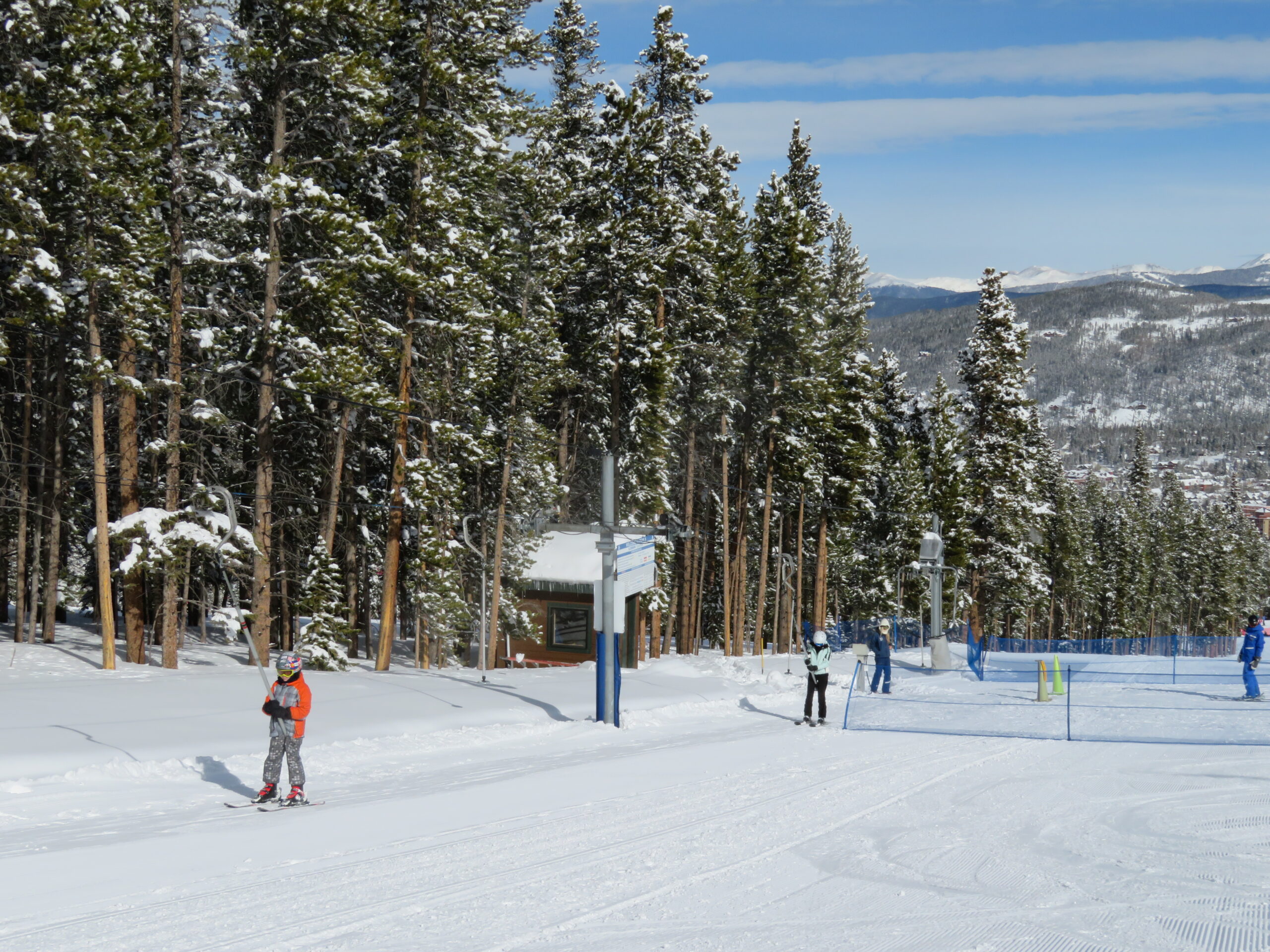
When Breckenridge Ski Resort expanded and formalized trail names, Eldorado was a natural fit. The run occupies terrain that feels inviting and generous—wide enough to relax, consistent enough to build confidence. It’s not extreme or punishing. Instead, it offers the pleasant illusion that things will stay easy all the way down.
That quality is where the historical parallel becomes surprisingly sharp. Eldorado the ski run, like its namesake myth, seduces you with comfort and flow. But as with mining, success still depends on skill, patience, and awareness. Conditions change. Snow firms up. Crowds appear. The mountain reminds you that nothing is guaranteed—even on the friendliest slopes.
There’s also a quiet commentary embedded in the name. While miners chased mythical gold and often failed, Breckenridge ultimately found its true Eldorado not underground, but on the slopes themselves. Skiing—sustainable, renewable, and community‑driven—became the lasting source of prosperity that mining never could.
Today, when skiers glide down Eldorado, few are thinking about 19th‑century legends or broken mining dreams. Yet the name continues to do its work subconsciously, preserving the emotional core of Breckenridge’s origin story: hope, risk, and the irresistible pull of something that feels just within reach.
Eldorado was never really a place. It was a promise. And on snow instead of gold, Breckenridge finally found a way to keep it.