Breckenridge Ski Resort is often discussed in terms of its sprawling terrain, high‑alpine bowls, and Main Street charm. But behind its modern reputation lies a fascinating ownership history that mirrors the evolution of the American ski industry itself—from local visionaries and regional operators to entertainment conglomerates and, ultimately, global corporate consolidation. What began as a bold experiment by Midwestern entrepreneurs has, over six decades, become one of the crown jewels of the world’s largest ski resort company.
The Founding Era: Rounds & Porter and the Birth of Breckenridge (1961–1970)
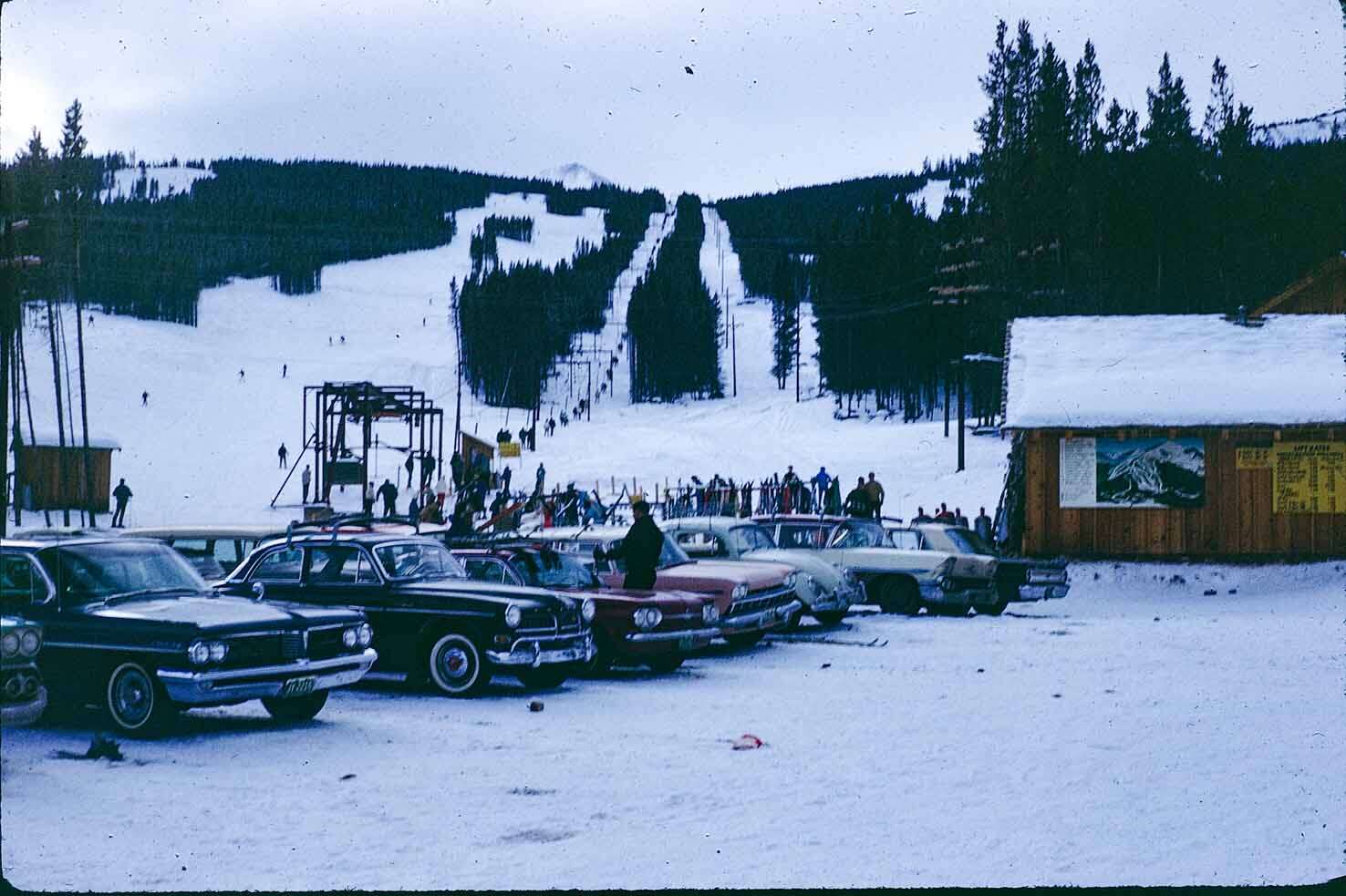
Breckenridge officially opened on December 16, 1961, under the ownership of Rounds & Porter Lumber Company, a Kansas‑based building materials firm led by Bill Rounds. The idea for the ski area emerged in the late 1950s when Rounds and his associates—most notably Trygve Berge and Sigurd Rockne—recognized that Breckenridge’s mining economy was fading and that winter recreation could revive the town. The earliest development focused on Peak 8, with one main chairlift (Heron double, Lift 1) and a handful of runs—humble beginnings for a hill that would soon outgrow its origins.
These first years were hands‑on and precarious. Capital was limited, infrastructure was basic, and success depended on turnout and snowfall. Nevertheless, Breckenridge built a loyal following, improved lifts (adding a Constam double in 1962), and even weathered setbacks like the 1965 base‑area explosion that destroyed a newly completed building (likely caused by a gas leak).
Aspen Skiing Company: Professional Expansion (1970–1984)
In 1970, Breckenridge was purchased by the Aspen Skiing Company, marking the resort’s first major ownership shift and ushering in a more professional, ski‑centric approach to operations. Under Aspen, Breckenridge expanded terrain, notably onto Peak 9 (work in 1971), and continued evolving from a regional hill to a destination resort. Aspen’s stewardship also helped standardize and elevate guest experience as the ski industry matured nationally in technology and marketing.

This era set much of the physical and cultural groundwork for modern Breck: more lifts, more trails, and a clear identity as a Summit County anchor alongside neighbors that would later become part of the same corporate family.
20th Century Fox: An Entertainment Conglomerate on the Mountain (1984–1988)
After more than a decade under Aspen, ownership of Breckenridge transitioned in the mid‑1980s to 20th Century Fox, reflecting a broader late‑20th‑century trend: large, diversified companies investing in resorts as lifestyle and real‑estate assets. While Breckenridge’s operations remained focused on skiing, Fox supplied corporate‑scale capital and a different perspective on destination development. The resort’s steady growth in skier visits continued, and Fox’s tenure bridged Breck from ski‑specialist ownership to the conglomerate era that defined much of the 1980s.
Though Fox did not radically remake Breckenridge’s identity, its role is a crucial (and often overlooked) link in the chain. It signaled that Breck—and Summit County skiing more broadly—had outgrown purely regional status and was attractive to blue‑chip owners well beyond the ski industry. In 1988, Fox exited the ski business and sold Breckenridge to Victoria Company, Ltd. of Japan—another sign of the globalization and financialization of ski assets during that decade.
Japanese Capital and Corporate Experimentation: Victoria Company, Ltd. (1988–1993)
The late 1980s saw Japanese firms investing heavily in U.S. real estate and recreation. Breckenridge’s 1988 purchase by Victoria Company, Ltd. placed it squarely within this wave. Skier visits soared past the million‑mark during this era, but investment could be uneven as Japan’s economy stumbled at the turn of the 1990s. Even so, Breck’s popularity surged, entrenching it as one of the most visited ski areas in the United States.
This period highlighted a recurring industry tension: the need for constant capital reinvestment against the realities of ownership whose core business lies elsewhere. It was a short chapter, but one that kept Breckenridge in the national spotlight.
Ralston Purina: A Surprising Steward (1993–1997)
In 1993, Breckenridge was sold to Ralston Purina, the multinational consumer packaged goods company better known for pet food than powder skiing. Through its Ralston Resorts division, the company also owned Keystone and Arapahoe Basin. While Ralston invested selectively, skiing was never central to its corporate identity, and by the mid‑1990s it began marketing the portfolio for sale—setting the stage for a transformative transaction that would redefine the Summit County ecosystem.
The Vail Resorts Era Begins (1997–Present)
In 1997, Vail Resorts acquired Breckenridge, Keystone, and (initially) Arapahoe Basin from Ralston Purina in a $310 million deal—a watershed moment for the industry and for Vail’s strategy of building a multi‑resort network. Due to antitrust concerns, Vail later divested Arapahoe Basin, but the acquisition cemented Breckenridge as a pillar of Vail’s Rockies portfolio.
Under Vail Resorts, Breckenridge underwent sustained capital investment and brand integration:
- Terrain expansion onto Peak 7 and lift upgrades that improved uphill capacity and mountain flow.
- Development of terrain parks with national profiles, aligning Breck with youth and freestyle culture.
- Inclusion in the Epic Pass, which transformed visitation patterns by offering unlimited or broad multi‑resort access under one product, drawing skiers from across North America and abroad.
By the late 1990s and early 2000s, Breckenridge routinely ranked among the most visited ski resorts in North America—at times surpassing even Vail Mountain—underscoring how scale and pass strategy could reshape resort economics and guest behavior.
Updated Ownership Timeline (Quick Reference)
- 1961–1970 — Rounds & Porter Lumber Company (founding owners; Peak 8 opens Dec. 16, 1961)
- 1970–1984 — Aspen Skiing Company (expansion onto Peak 9; professionalized operations)
- 1984–1988 — 20th Century Fox (conglomerate era; continued growth; sets stage for international sale)
- 1988–1993 — Victoria Company, Ltd. (Japan) (ownership amid late‑’80s/early‑’90s Japanese investment wave)
- 1993–1997 — Ralston Purina (Ralston Resorts) (portfolio with Keystone and A‑Basin)
- 1997–Present — Vail Resorts (acquired for $310M; later divested A‑Basin; Epic Pass era)
What the Ownership Arc Reveals
Local visionaries built the foundation. The Rounds & Porter team and European‑trained ski pros like Berge and Rockne turned a fading mining town into a winter destination, cutting the first runs and installing the first lifts on Peak 8. Their success hinged on belief, grit, and community, not corporate playbooks.
Ski‑centric operators scaled Breck. Aspen Skiing Company brought professional management, capital discipline, and the ambition to expand terrain—especially onto Peak 9—while embedding Breck in a broader Colorado destination narrative.
Conglomerates reframed the asset. The 20th Century Fox chapter showed that premier mountains were no longer just recreational facilities—they were lifestyle and real‑estate assets with national cachet. That perspective persisted through Victoria Company’s ownership, in step with global investment trends of the era.
Strategic consolidation defined the modern model. Vail Resorts’ 1997 purchase represented not only a corporate milestone but a new way of organizing the ski experience: multi‑resort networks, pass products that unify geographically dispersed mountains, and sustained reinvestment in lifts, snowmaking, and guest experience. Breckenridge became both a flagship and a beneficiary of that scale.
Frequently Overlooked Nuggets
- Early infrastructure quirks: The original Lift 1 included a mid‑station, an unusual feature at the time that helped manage early‑era skier flow on Peak 8’s limited footprint.
- A dramatic setback: A newly finished base‑area building exploded in 1965, cutting short one of the resort’s first real estate investments—an early reminder that mountain infrastructure has unique risks and requires deep, ongoing capital.
- Naming the runs: Breckenridge’s run names—like Four O’Clock and Springmeier—carry local lore from the early days, reinforcing how tightly the resort’s culture is woven to town history.
Conclusion
From a Kansas lumber company’s leap of faith to an Aspen‑led expansion, through an entertainment conglomerate and international owner, to its role inside a publicly traded resort empire, Breckenridge’s ownership history is as layered as its terrain. Each era—Rounds & Porter, Aspen Skiing Company, 20th Century Fox, Victoria, Ralston Purina, and Vail Resorts—left marks on the mountain’s infrastructure, brand, and business model.

Skiable area: 2,908 acres
- Number of trails: 187
- Peaks: 6, 7, 8, 9, 10
- Highest lift: Imperial Express (Peak 8)
- Longest run: Four O’Clock (3.5 miles)
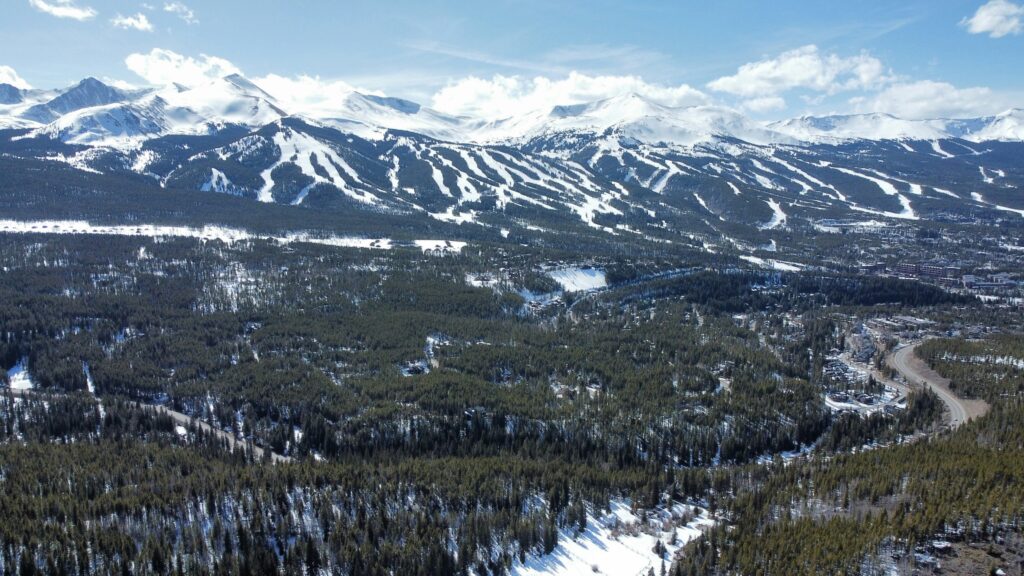
Today, Breckenridge stands as a flagship within Vail Resorts’ global network, while retaining the character that first drew skiers to the Tenmile Range. It’s not just a ski mountain; it’s a case study in how vision, capital, and timing can reshape an entire community—with one very Hollywood chapter that deserves its credit roll.