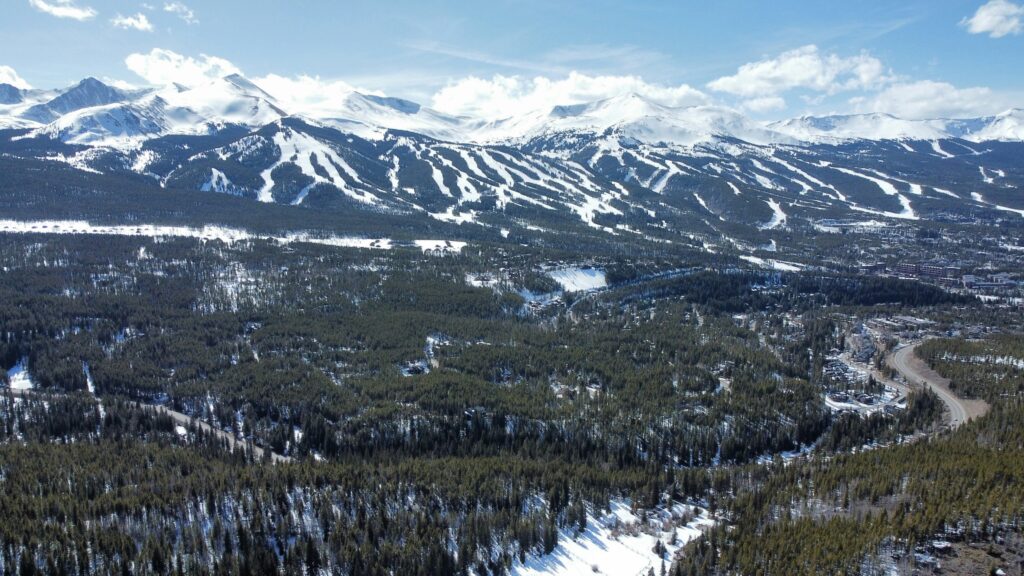
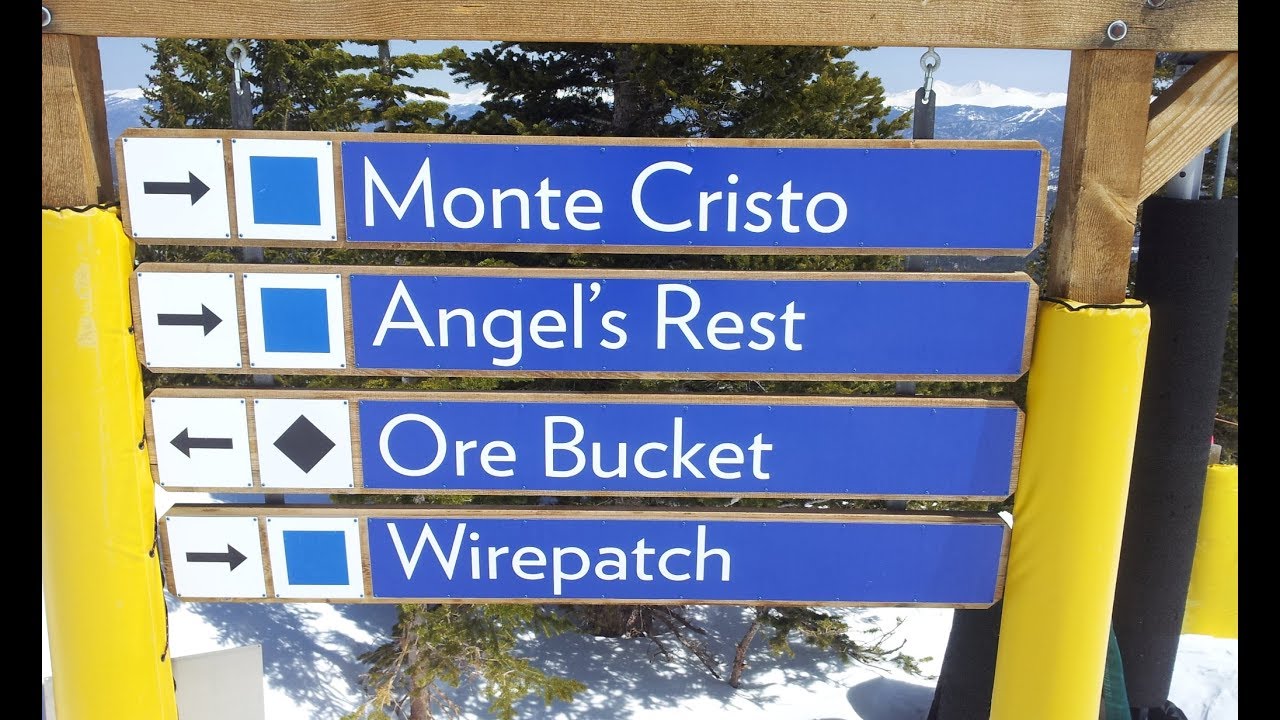
At Breckenridge Ski Resort, Monte Cristo is a Peak 7 trail name that hints at grandeur. It sounds European, wealthy, almost aristocratic—an intentional contrast to the rugged alpine terrain it crosses. But like many names rooted in mining history, Monte Cristo reflects not success, but aspiration, borrowed prestige, and the hope that appearances alone could summon fortune.
During Colorado’s late‑19th‑century mining boom, naming a claim mattered more than people might expect today. A strong name could attract investors, boost morale, or create the illusion of legitimacy. “Monte Cristo,” inspired by Alexandre Dumas’ The Count of Monte Cristo, became a popular choice. The name evoked hidden wealth, dramatic reversals of fortune, and treasure waiting to be revealed—exactly the story most prospectors hoped to live.
Across Colorado, claims called Monte Cristo appeared wherever optimism outweighed evidence. Most produced little or nothing. Breckenridge was no exception. Several short‑lived claims in the area carried romantic or European names meant to suggest depth, richness, and destiny rather than geology. These names didn’t make the mines productive, but they reveal how deeply imagination fueled the gold rush.
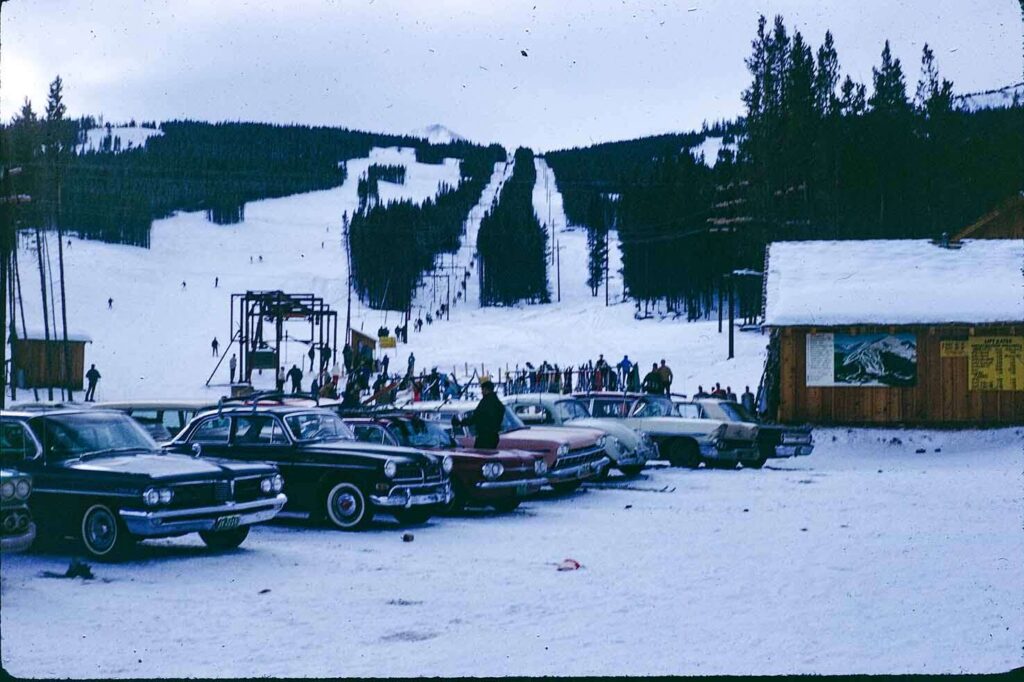
When Breckenridge Ski Resort developed its trail system in the 1960s, designers deliberately preserved this naming tradition. Monte Cristo, the ski run, doesn’t reference a single famous mine but instead stands for a mindset—one where belief and ambition ran ahead of reality. The resort chose the name as homage rather than endorsement, acknowledging the optimism that shaped the town’s early survival.
The terrain of Monte Cristo is well matched to that legacy. It’s a solid, dependable run—neither extreme nor forgettable. The pitch invites confident turns, offering rhythm and flow without demanding aggression. Like a promising claim that looks good on first inspection, Monte Cristo rewards steady commitment rather than reckless charge.
There’s an irony here that feels distinctly Breckenridge. The miners who named their claims Monte Cristo rarely found hidden treasure. But the town itself eventually achieved the wealth and longevity they imagined—through skiing, tourism, and careful stewardship of the mountains. The fortune arrived, just not where anyone expected it.
Today, skiers glide down Monte Cristo thinking about snow quality and turn shape, not 19th‑century novels or speculative investments. Yet the name quietly preserves an emotional truth: Breckenridge was built by people who believed a better future lay just ahead.
Monte Cristo reminds us that not all dreams succeed—but belief itself can still build something lasting. In Breckenridge’s case, it built a mountain experience far richer than gold.