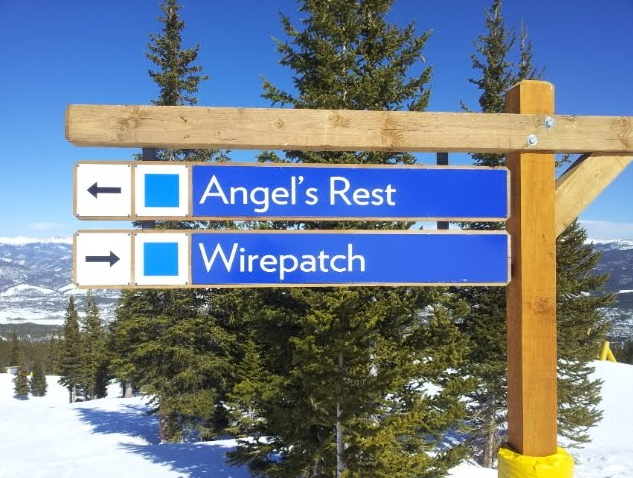
Among Breckenridge’s many evocative trail names, Wirepatch stands out not because it sounds intimidating or dramatic, but because it feels oddly specific—almost homespun. The name doesn’t reference speed, danger, or alpine grandeur. Instead, it points directly back to the improvisational spirit of Breckenridge’s mining past, when survival in the high country often depended on creativity more than craftsmanship.
In the late 1800s, Breckenridge was a rough‑and‑tumble mining town carved out of the Tenmile Range. Miners arrived with big hopes but limited supplies, and once winter set in, replacement parts or professional repairs were often impossible to obtain. Enter the “wire patch”: a catch‑all term used by miners and mechanics for makeshift fixes fashioned from scrap wire. Broken tools, damaged equipment, even torn clothing were frequently bound, stitched, or stabilized with wire to keep operations running just a little longer.
Wirepatch repairs weren’t elegant, but they were effective—at least temporarily. In mining camps, ingenuity was a point of pride, and a clever wire fix could mean the difference between a productive day and a dangerous shutdown. Over time, the term “wirepatch” became shorthand for practical problem‑solving under pressure, a mindset that defined life in early Breckenridge.
When ski development began decades later, particularly on terrain intended for beginners and families, resort planners drew on this cultural memory. The trail name Wirepatch was chosen for an area that represented accessibility and adaptability rather than raw challenge. It was a subtle tribute to the everyday people who built the town—not the striking millionaires or legendary prospectors, but the workers who made things function with whatever they had on hand.
Today, Wirepatch is known as one of Breckenridge’s most forgiving runs, especially popular with first‑time skiers and those finding their balance at altitude. The gentle pitch, wide turns, and confidence‑building layout make it a place where progress happens visibly and quickly. In that sense, the name fits beautifully. Much like a wire‑patched tool, beginners may not feel graceful at first, but they’re functional—and getting better with every use.
There’s also a deeper symbolism at play. Skiing itself often involves “wirepatching” your way down the mountain: adjusting a binding mid‑day, tightening a loose buckle, or compensating for fatigue with technique rather than strength. The trail quietly acknowledges that perfection isn’t required—persistence is.
Wirepatch may never be the run skiers brag about conquering, but it plays an essential role in the Breckenridge experience. It’s where confidence is built, habits are formed, and lifelong skiers often begin their journey. Just as wire‑patched equipment kept miners moving forward in brutal conditions, this humble trail keeps the spirit of progress alive on the mountain.
In a resort celebrated for high‑alpine bowls and steep descents, Wirepatch reminds us that Breckenridge was built—and is still enjoyed—one practical solution at a time.